
Common Roof Leaks and How to Fix Them – Homeowner’s Guide
A small roof leak rarely stays small. The good news: most leaks trace back to a few familiar trouble spots. The following steps will help you detect these issues early and guide your next actions.
Why roof leaks matter
Unchecked moisture invites rot, mold, and costly repairs. As the U.S. EPA notes, “The best way to control mold growth is to control moisture.” EPA.gov
Common causes of roof leaks
1) Damaged or missing shingles
The exterior of shingles bears the impact of strong winds, hail, and intense sunlight. Water follows the path of least resistance when it meets cracks, curls, or missing tabs.
- Spot it: Look for lifted tabs, bare patches (granules in the gutters), or color mismatches after storms.
- Fix it: Replace damaged shingles promptly; consider impact-resistant shingles in severe-weather regions.
“Most homeowners spend between $392 and $1,930 on roof repair costs.”
🔨 For a more in-depth look at damaged shingles and whether it’s time to replace your roof, see our blog:
Roof Repair or Roof Replacement.
2) Improper installation
A new roof can leak if flashing is misaligned or seams are poorly sealed. The errors are often invisible from the ground.
- Why it matters: Hidden gaps let water in long before you see stains.
- Fix it: Have a licensed contractor perform a thorough inspection and correct installation errors before they grow.
🏠 The quality of your roof depends on the knowledge and experience of your roofing contractor. For an in-depth guide to hiring locally, read:
How to Hire a Roofer Without Getting Scammed.
3) Deteriorated flashing
Flashing seals joints around chimneys, skylights, valleys, and walls and keeps water from entering the interior. Over time, metal can corrode or pull away, and sealant can fail.
- Spot it: Water stains around the chimney or skylights, rust streaks, or loose counter-flashing.
- Fix it: Reseal or replace flashing using high-quality materials and proper installation. A skilled roofer is critical when flashing issues are present.
📋 Flashings should always be checked when your roof is replaced. In many areas, flashings must be replaced to meet local building codes. Learn more in our blog:
Roof Rules – Building Codes for Nashville.

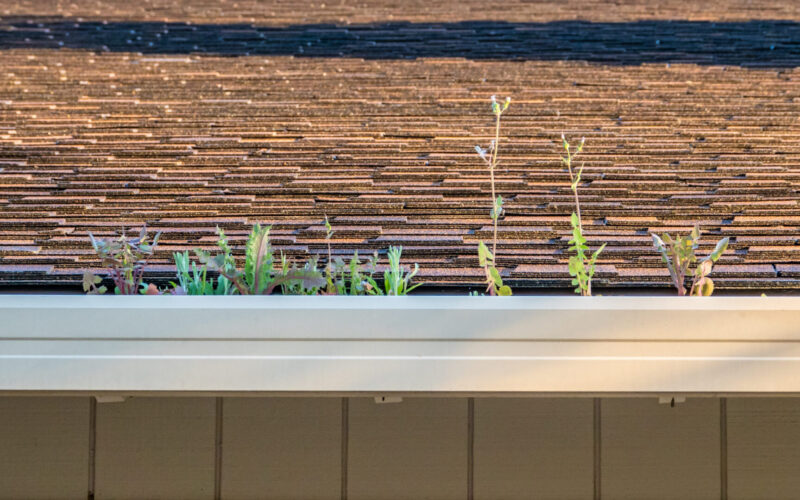
4) Clogged gutters can mimic roof leaks
When gutters clog, water can back up under shingles and saturate the roof deck. Fascia boards can rot and pests may find an easy entry point.
- Spot it: Water spilling over gutter edges during rain, sagging runs, or rot at the roofline.
- Fix it: Clean gutters at least twice a year; add gutter guards if trees overhang the roof.
“Water damage is one of the most common and costliest disasters your home can experience.”
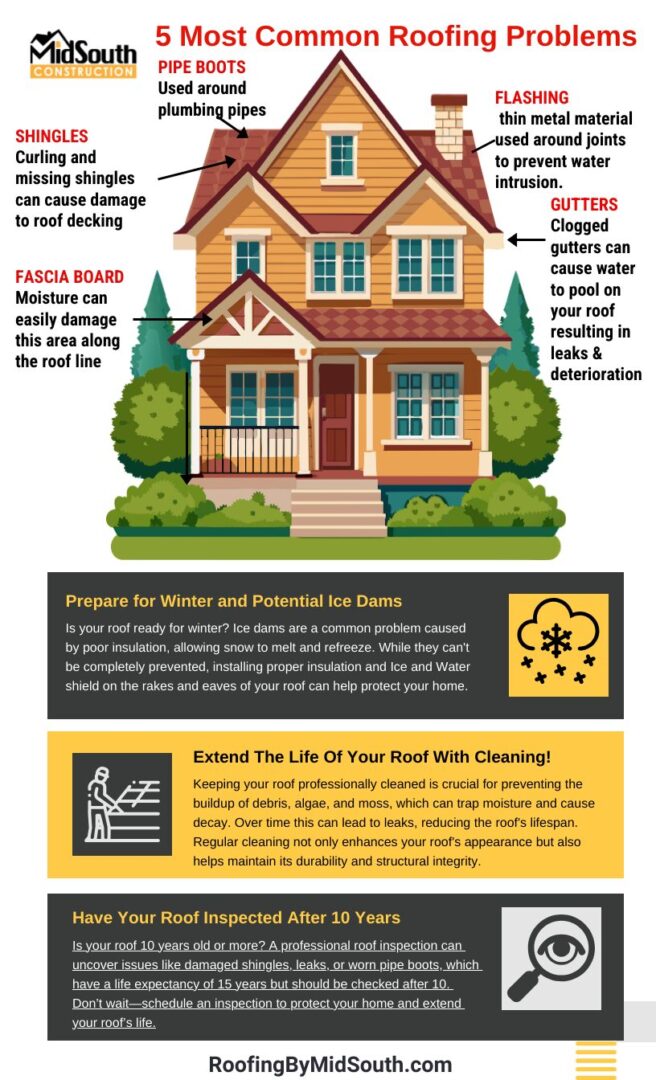
5) Fascia board rot & pest damage
Compromised fascia at the roof’s edge invites both moisture and animals. Pests can damage insulation and wiring, creating new leak paths.
- Spot it: Warped boards, small holes, chew marks, or unusual animal activity near eaves.
- Fix it: Replace rotted boards, keep gutters clear, and seal entry points; call pest control for active infestations.
How to prevent roof leaks
Regular inspections
Check your roof in spring and fall and always after major storms. Look from the ground for missing shingles, popped nails, and clogged gutters. The National Roofing Contractors Association advises homeowners to assess damage from ground level and not attempt to climb a steep roof or make roof repairs on their own. NRCA.net
“Assess roof damage from ground level and not attempt repairs on their own.”

Professional repairs
Most leak fixes are not just about swapping a shingle—they’re about finding the entry point and correcting the system around it. A licensed roofer can safely diagnose and repair the source.
Stay proactive
Don’t ignore “minor” drips or small ceiling stains. Early action is cheaper than structural repairs and helps you avoid mold issues later. The EPA’s guidance on mold control underscores fixing water problems quickly. Mold Clean-Up
Ready to stop leaks at the source?
Don’t let a small leak turn into a big problem. Call MidSouth Construction today at
615-712-8893 for a free roof inspection and expert repairs.
FAQs About Roof Leaks
- What is the most common cause of roof leaks?
- Damaged or missing shingles. Weather exposure weakens shingles over time and lets water in.
- How do I know if my roof is leaking?
- Watch for ceiling stains, damp attic insulation, musty odors, peeling paint, or daylight showing through roof boards.
- Can clogged gutters really cause roof leaks?
- Yes. Backed-up water can sneak under shingles, soak the roof deck, and rot fascia boards.
- Should I repair a roof leak myself or call a professional?
- DIY is fine for very small fixes, but most leaks need a licensed roofer to diagnose and repair the root cause safely.
- How often should I inspect my roof?
- Twice a year—spring and fall—and after major storms for early detection and cheaper repairs.
References & further reading
- EPA: Mold & Moisture Guidance — “The best way to control mold growth is to control moisture.”
- Insurance Information Institute: How to protect your home from water damage
- HomeAdvisor: Roof repair cost data
- NRCA: Storm roof repairs guidance
- EPA: Mold cleanup in your home

Sherri Berry is the Operations Manager at MidSouth Construction, bringing 15 years of roofing industry experience and a background in legal compliance and real estate. She oversees the daily production of construction projects, ensuring every job reflects integrity and quality workmanship. Committed to helping homeowners understand their insurance claims and roofing options, Sherri combines technical expertise with clear, honest communication. Outside of work, she serves at One Church in Murfreesboro, TN, and is dedicated to providing trustworthy roofing and restoration services to her community.
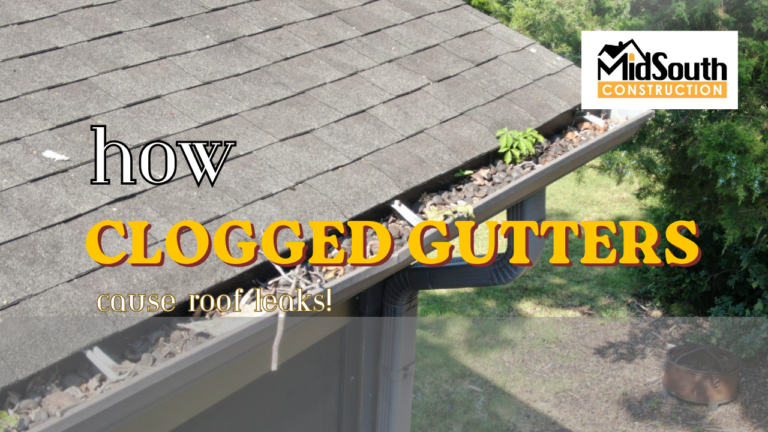
Can Clogged Gutters Cause Roof Leaks
Share at: ChatGPT Perplexity WhatsApp LinkedIn X Grok Google AI Can Clogged Gutters Cause Roof Leaks? Absolutely. Clogged gutters are one of the leading causes of preventable roof leaks because they allow water to back up beneath shingles, soak roof decking, and eventually enter your home. Fortunately, regular gutter cleaning and routine roof inspections can prevent most of these costly
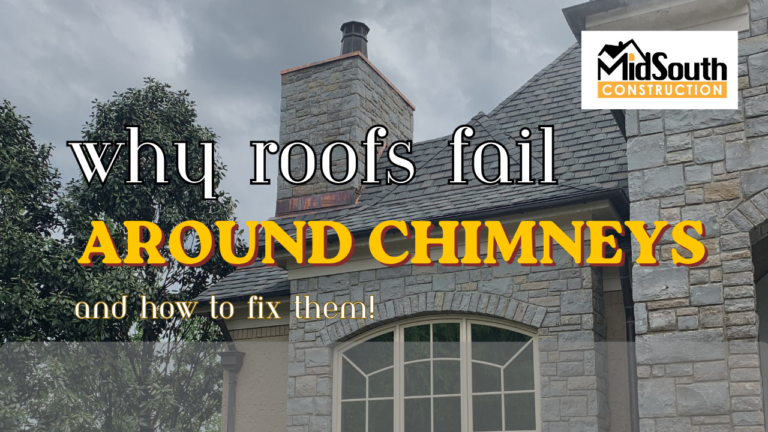
Why Roofs Leak Around Chimneys And How To Fix Them
Share at: ChatGPT Perplexity WhatsApp LinkedIn X Grok Google AI Why Roofs Fail Around Chimneys: One of the Most Common Roof Leaks in Nashville Why do roofs leak around chimneys? Roofs commonly leak around chimneys because the flashing system that seals the connection between the roof and chimney deteriorates, was improperly installed, or becomes damaged over time. Chimneys create one
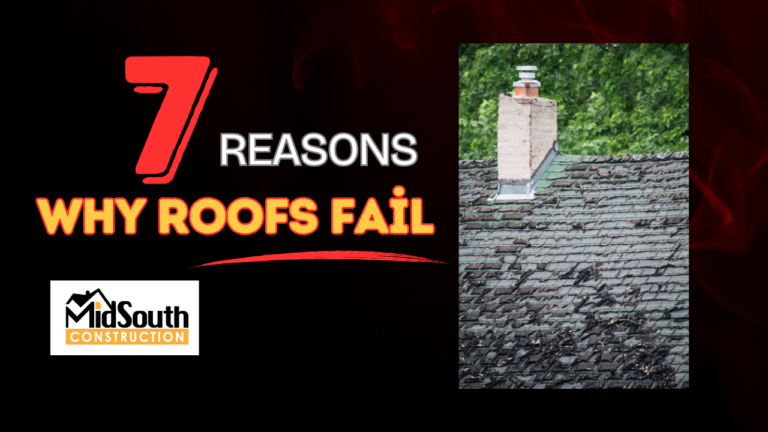
Why Some Nashville Roofs Last 15 Years While Others Last 30
Share at: ChatGPT Perplexity WhatsApp LinkedIn X Grok Google AI You might think that how long a roof lasts depends only on the kind of shingles you put on it. But that’s not the whole story. Even if two houses in the same area, like Nashville, have the same shingles, their roofs can last for very different amounts of time.