Introduction to Flat Roof Maintenance
Flat roofs, unlike their pitched counterparts, come with unique advantages—and challenges. Their modern look, affordability, and accessibility make them a popular choice for both residential and commercial buildings. But because of their minimal slope, flat roofs are more susceptible to water pooling, leaks, and structural stress. Regular maintenance is essential to prolong their lifespan and prevent costly repairs. Let’s dive into everything you need to know to keep your flat roof in top shape.
Why Flat Roofs Require Special Care
Flat roofs don’t shed water like sloped roofs. This makes them vulnerable to water damage, ponding, and vegetation growth. Regular maintenance isn’t just a suggestion—it’s a must. If ignored, minor problems can spiral into major ones fast.
Key reasons they need extra attention:
Water Drainage Issues:
Flat roofs rely on internal drainage or scuppers, which can clog easily.
Sun and Weather Exposure:
UV rays and temperature fluctuations can deteriorate roof materials quickly.
Structural Load:
Debris, snow, and water build-up can put stress on the structure.
1. Inspect Your Roof Regularly
Routine inspections are your first defense against damage. A trained eye can spot potential problems before they become serious.
Visual Roof Checks from the Ground
Even from ground level, you can observe:
- Sagging areas
- Debris build-up
- Discoloration or algae
Use binoculars if necessary. It’s a safe and easy way to monitor basic issues.
Seasonal Roof Inspections
Aim for roof inspections:
- Twice a year: Preferably spring and fall
- After major storms: High winds and hail can cause sudden damage
Professional roof inspections once a year are highly recommended.
2. Clear Debris From The Roof Promptly
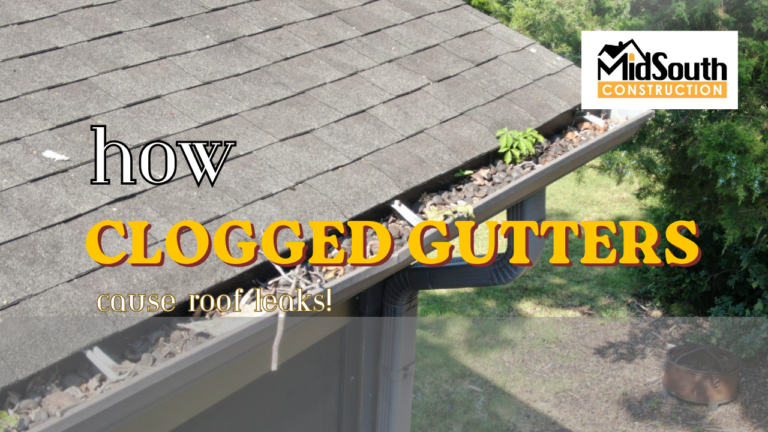
Leaves, twigs, and other debris can block drainage systems and create standing water.
Risks of Clogged Drains and Gutters
- Ponding leads to membrane degradation
- Organic matter promotes mold and vegetation
- Water backup increases the chance of interior leaks
Use a leaf blower or broom—never sharp tools. Do this especially in autumn and after storms.
👉“Flat roofs accumulate debris that blocks drainage and accelerates membrane degradation. Monthly clearing is advised.”
— GAF Roofing Systems
Source: GAF Roofing Blog
3. Look For Standing Water
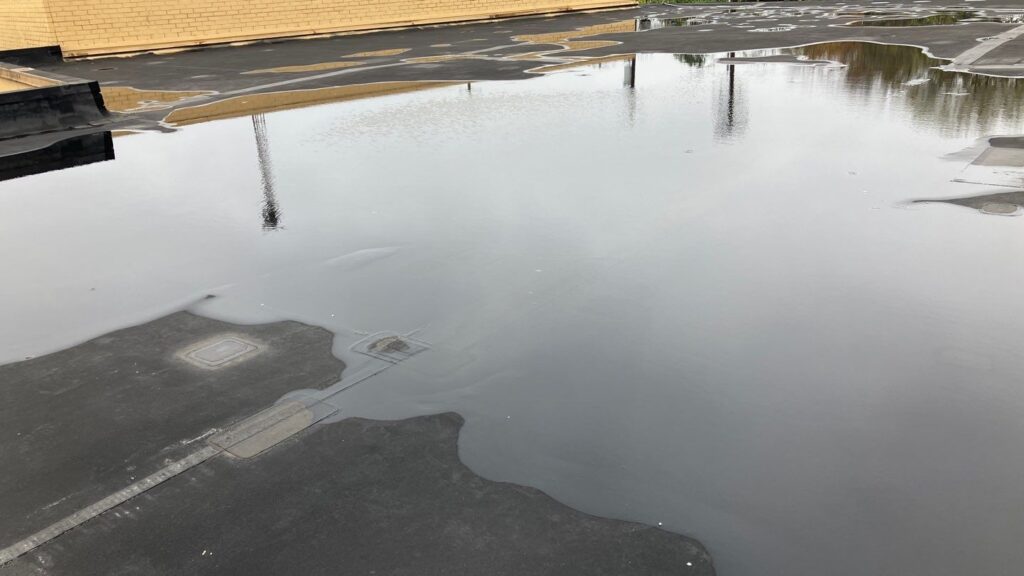
Ponding is one of the biggest threats to flat roofs. If water doesn’t drain within 48 hours, you’ve got a problem.
Effects of Ponding Water on Roof Life
- Increases membrane stress and accelerates wear
- Encourages algae growth
- Adds extra weight, stressing the structure
Consider installing tapered insulation or upgrading your drainage if ponding persists.
👉“Water that ponds for more than 48 hours can severely reduce the lifespan of roofing materials and lead to structural damage.”
— International Association of Certified Home Inspectors (InterNACHI)
Source: InterNACHI Flat Roof Guide
4. Address Cracks and Blisters Early

Common Signs of Membrane Damage
- Raised areas under the surface
- Splitting seams
- Discoloration or bubbling
Minor issues can be patched with roofing sealant, but extensive damage may require a professional.
5. Maintain Roof Flashing and Seals
Flashing and seals are your roof’s waterproof guards, especially around vents, skylights, and HVAC units.
Importance of Flashing Around Vents and Edges
- Prevents leaks at transition points
- Seals expansion joints and roof edges
- Shields vulnerable areas from wind and rain
Check for rust, cracks, or separation and reseal as necessary with compatible materials.
6. Check for Interior Signs of Roof Damage
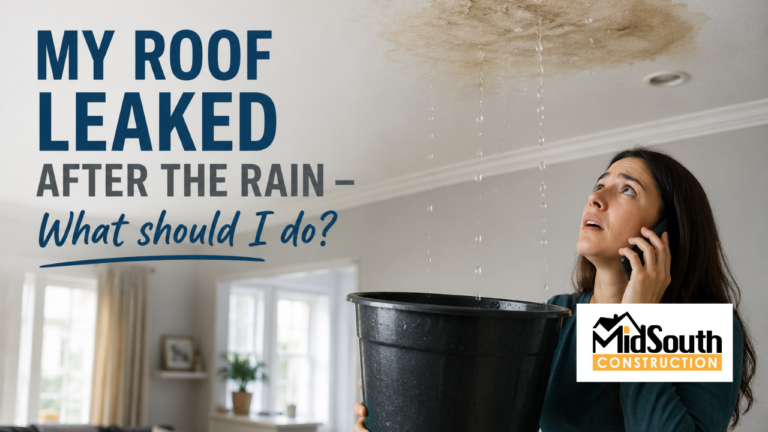
Sometimes the first hint of roof trouble appears inside your building.
Water Stains and Mold Inside the Building are Signs of Roof Leaks
- Yellow or brown ceiling stains
- Peeling paint
- Unexplained musty odors
These are all red flags that water may be breaching your roof. Investigate and repair quickly.
7. Trim Overhanging Branches
Trees add curb appeal, but they can be a threat to your roof if left unchecked.
How Trees Can Threaten Your Roof
- Branches scraping the surface cause abrasion
- Falling limbs can puncture the membrane
- Leaves clog gutters and drains
Keep branches trimmed at least six feet away from your roof edge.
👉“Tree limbs too close to a flat roof can act like sandpaper in high winds and lead to serious damage over time.”
— Roofing Contractors Association of Texas (RCAT)
Source: RCAT Maintenance Resources
8. Avoid Heavy Roof Traffic
Flat roofs may seem like convenient hangout spots or equipment platforms, but too much foot traffic can be damaging.
Creating Designated Walk Paths
- Use walking pads or pavers
- Mark maintenance routes clearly
- Limit access to essential personnel
This helps distribute weight evenly and prevents membrane punctures.
9. Schedule Professional Roof Inspections
There’s only so much a DIY eye can see. Professionals bring tools and expertise to identify hidden risks.
How Often Should You Hire a Commercial Roofing Expert?
- Annually for general checkups
- Immediately after hail or wind storms
- Before and after major renovations
Commercial Roof Inspections typically cost less than repairs—an investment worth making.
👉“A roof should be inspected at least twice a year and after major weather events to catch small issues before they escalate.”
— National Roofing Contractors Association (NRCA)
Source: NRCA Inspection Guide
10. Apply Reflective Roof Coatings
A reflective coating adds an extra layer of protection against sun damage.
Benefits of Reflective Coatings on Flat Roofs
- Reduces heat absorption and cooling costs
- Extends membrane life
- Adds waterproofing layer
Choose elastomeric or silicone-based products for durability and flexibility. Commercial Roof coatings are an affordable option and can extend the life of an existing flat roof for up to 20 years!
👉“Cool roof coatings can reflect up to 80% of the sun’s energy, significantly reducing roof temperature and energy costs.”
— U.S. Department of Energy (DOE)
Source: DOE Cool Roofs
🚨Relevant Resource:
For a more in-depth guide to roof coatings and their performance, check out this National Roofing Contractors Association Guide
11. Ensure Proper Drainage Systems
Flat roofs depend on reliable drainage. A single blocked drain can flood the whole surface.
Types of Drains Ideal for Flat Roofs
- Interior Drains: Channel water to inside pipes
- Scuppers: Push water off the roof edge
- Gutters: Collect and divert runoff
Clean drains quarterly and inspect for damage after storms.
👉“Proper drainage is the cornerstone of flat roof longevity. Even minor blockages can have major consequences.”
— Building Owners and Managers Association (BOMA)
Source: BOMA Roof Maintenance Guide
12. Maintain Roof Warranty Requirements
Your manufacturer warranty may require specific care guidelines.
What Voids a Flat Roof Warranty?
- Poor maintenance records
- Unauthorized repairs
- Neglect of visible damage
Keep documentation and only use approved contractors for roof inspections and repairs. Consider a commercial roofing maintenance agreement where they will ensure you follow the manufacturer’s care schedule.
👉“Failure to maintain your roof in accordance with the warranty terms—including inspections and repairs—can void coverage.”
— CertainTeed Roofing Warranty Terms
Source: CertainTeed Warranties
13. Document all Roof Maintenance Activities
A maintenance log provides proof of upkeep and helps plan future work.
Creating a Roof Maintenance Log
Include:
- Date of inspections or repairs
- Names of contractors
- Photos of before-and-after conditions
- Notes on materials used
Digital logs or spreadsheets make recordkeeping simple and shareable.
💡FAQs About Flat Roof Maintenance
How often should a flat roof be inspected?
At least twice a year—once in spring and once in fall. More often if the roof is older or exposed to extreme weather.
What’s the best way to remove debris from a flat roof?
Use a leaf blower or soft broom. Avoid using sharp tools that might damage the membrane.
How can I tell if my flat roof is leaking?
Look for water stains on ceilings, musty odors, and damp insulation. A moisture meter can also help detect hidden leaks.
Should I walk on my flat roof to inspect it?
If necessary, walk on designated paths only. Consider hiring a professional if you’re unsure.
Can I apply roof coating myself?
Yes, but it’s important to use the right materials and prep the surface properly. Follow all manufacturer instructions.
How do I know if ponding water is a serious issue?
If water remains longer than 48 hours after rainfall, it’s time to act. Prolonged ponding can severely weaken your roof over time.
Conclusion
Flat roof maintenance isn’t just about preventing leaks—it’s about protecting your entire property investment. With regular inspections, prompt debris removal, and professional care, you can maximize your roof’s lifespan and avoid sudden, expensive repairs. Implementing these 13 expert-backed tips will give you peace of mind—and save money in the long run.
Whether you’re a homeowner or building manager, staying proactive is the best way to protect your roof and everything beneath it. MidSouth Construction is an authorized commercial roofing contractor in Nashville.
⭐Ready to Have Your Commercial Flat Roof Inspected? Contact MidSouth Construction at 615-712-8893!
📌RECOMMENDED READS:
Ultimate Checklist for Commercial Flat Roofs: Repair or Replacement
Top Questions To Ask Your Commercial Roofers Before You Hire Them!
Table of Contents
Relevant Articles

Common Roofing Problems and Expert Solutions
Share at: ChatGPT Perplexity WhatsApp LinkedIn X Grok Google AI Common Roofing Problems & Solutions from Nashville Roofing Experts Roofing problems can be a homeowner’s worst nightmare – especially in Middle Tennessee’s unpredictable climate. If issues aren’t caught early, small problems can lead to significant damage. In this article, we’ll explore common roofing issues and how professional roofing contractors, including

Reasons Why Regular Roof Maintenance is Essential for Your Home
Share at: ChatGPT Perplexity WhatsApp LinkedIn X Grok Google AI The Importance of Regular Roof Maintenance Your roof is one of the most important structural protections your home has. It shields your property from the elements, protects the interior from water damage, and preserves the overall integrity of your house. At Roofing by MidSouth, we help homeowners throughout Nashville understand

The Characteristics of Upscale Roofing Materials: Weighing the Pros and Cons of Specialty
Share at: ChatGPT Perplexity WhatsApp LinkedIn X Grok Google AI The Characteristics of Upscale Roofing Materials – A Complete Guide for Homeowners Homeowners choose upscale roofing materials because these products deliver superior looks, extended durability, and excellent performance. The Nashville roofing experts at MidSouth Construction deliver elite roofing and restoration services to Middle Tennessee residents. Our company operates as a
Effects of Ponding Water on Roof Life
How Trees Can Threaten Your Roof
How Often Should You Hire a Commercial Roofing Expert?