

How To Compare Roof Quotes Effectively
Why Comparing Roofing Quotes the Right Way Really Matters
Picking a roofing quote isn’t just about choosing a number on a page. You’re trusting someone with your home, your money, and your peace of mind. A roof is a big-ticket item—mess it up and you could be staring at leaks, mold, or repairs that cost more than doing it right the first time.
The real cost of choosing the wrong roofer
Choosing a roofer based only on price can lead to:
Cheap materials that fail early
Corners cut on ventilation, flashing, or underlayment
Poor installation that voids warranties
Extra charges for “surprise” work that should’ve been in the quote
Suddenly that bargain roof doesn’t seem like a bargain anymore.
National Roofing Contractors Association (NRCA)
“Roofing price differences often reflect differences in materials, installation methods,
and contractor professionalism. Homeowners should compare proposals carefully and ensure
all bids include identical project specifications.”
Why “cheapest” can become the most expensive
A low quote often means one of three things:
Lower-quality materials
Less time spent on the job
Something important isn’t included
The goal isn’t to find the cheapest quote—it’s to find the best value. That’s where smart comparison comes in.
Before Choosing the Cheapest Roofing Quote…
As we often remind homeowners, “a cheap roof today can become an expensive problem tomorrow.”
Want to understand why low roofing bids are rarely a bargain? Read our full breakdown:
Step One - Make Sure You're Comparing Apples to Apples
You can’t compare roofing quotes effectively if each contractor is proposing something totally different. Your first job is to standardize what you’re asking for.
Get detailed written quotes
Verbal estimates don’t count. Ask for written quotes that clearly show the price includes:
Materials & Labor
Tear-off and disposal
- Cleanup
Permits and fees
Warranties
Three written estimates provide a solid basis for comparison. More than that can become analysis paralysis.

Standardize the scope of work
When you talk to roofers, give them the same set of expectations. Otherwise, each one will design a different project and the quotes will be impossible to compare.
Same materials
Specify the basics:
Type of roofing (e.g., architectural asphalt shingles, metal panels, tile, TPO, etc.)
Brand and product line if possible
Color and style
Underlayment type
Ice and water shield areas (edges, valleys, penetrations, etc.)
Same tear-off and disposal
Clarify:
Will the old roof be completely removed?
Are multiple layers being removed?
Who’s responsible for disposal and dumpster costs?
Same ventilation and flashing work
Ventilation and flashing are small line items that have huge effects on roof life. Ask each contractor to specify:
Ridge vents, soffit vents, or other systems
Replacement or reuse of flashing around chimneys, skylights, walls, and vents
When all contractors are bidding on the same scope, you can finally start comparing numbers fairly.
Looking to Save Money on Your Roof Replacement?
There are smart ways to lower roofing costs without cutting corners. Check out our homeowner savings guide:
Step 2 - Break Down The Price in Each Roofing Quote
Now let’s dissect each quote. Don’t just look at the total—look at how they got there.
Materials
The materials section should tell you:
Type and brand of shingles or roofing
Underlayment and ice & water products
Flashing type (metal, thickness, style)
Ventilation products
Fasteners and accessories
If one quote seems much lower, check whether they’re using:
Off-brand materials
Lower-grade shingles
Thinner metal
Less underlayment or ice & water shield
Installation
Labor is where a lot of the quality happens. Cheaper labor can mean:
Inexperienced crew
Less careful detail work
- Improper Installation
- Lack of Project Supervision
Good roofers charge fairly for quality workmanship that will stand the test of time.
Insurance Institute for Business & Home Safety (IBHS)
“A properly installed roof system is the first line of defense against severe weather.
Installation quality is just as important as material selection.”
Tear-off, disposal, and cleanup
This is often its own line item. You want clarity on:
Removing all existing layers
Repairing any damaged decking (and how it’s charged)
Dumpsters and haul-off
Daily cleanup and final magnet sweep for nails
Permits, fees, and extras
A professional roofing quote should include:
Building permit fees (if required)
Any inspection fees
Sales tax (where applicable)
If a quote looks low because they “forgot” these, you’ll pay for it later.

Step 3 - Compare Roofing Materials and Installation Methods
Not all roofs are created equal, even if they look similar from the ground.
Type, brand, and grade of shingles or roofing
Ask yourself:
Are they using basic 3-tab shingles or architectural shingles?
What’s the wind rating?
Is the brand known and backed by solid warranties?
A slightly higher quote with better materials often saves money long-term.
Underlayment, ice & water shield, and decking
Think of underlayment and ice & water shield as your roof’s backup plan.
Synthetic vs felt underlayment
Ice & water shield in valleys, eaves, and around penetrations
Decking repair policy (price per sheet of plywood or per linear foot)
If decking is rotten or soft, you want them to replace it. Make sure you know how they’ll charge for that.
Flashing, vents, and accessories
Flashing and vents are common leak points. Compare:
Will they replace or reuse existing flashing?
Are they installing new pipe boots, chimney flashing, and drip edge?
What type of ventilation are they proposing?
Better details here often mean fewer headaches later.
“Installing ENERGY STAR certified roofing materials can reduce peak cooling demand
by 10–15 percent.”
Step 4 - Analyze Warranties and Guarantees
A roofing quote without clear warranties is a big red flag.
Manufacturer’s material warranty
Look at:
Length of coverage (e.g., 25-year, 30-year, lifetime)
Whether it’s prorated or non-prorated
Whether it covers defects only, or also wind and algae
Contractor’s workmanship warranty
This is just as important as the material warranty. Ask:
How long is the workmanship warranty (1 year, 5 years, 10 years, lifetime)?
What does it cover—leaks, repairs, blow-offs?
Do they come back to inspect issues or just “patch and go”?
- Are they certified to offer extended manufacturer workmanship warranties?
What voids the warranty?
Some warranties can be voided by:
Poor installation
Improper ventilation
Add-ons installed later (like satellite dishes)
- Beware of sales gimmick warranties that require you to have paid annual inspections done in order to keep your warranty!
Make sure the roofer is installing the roof according to manufacturer specs so your warranty actually means something.
Step 5 - Check the Contractors Credentials and Reputation
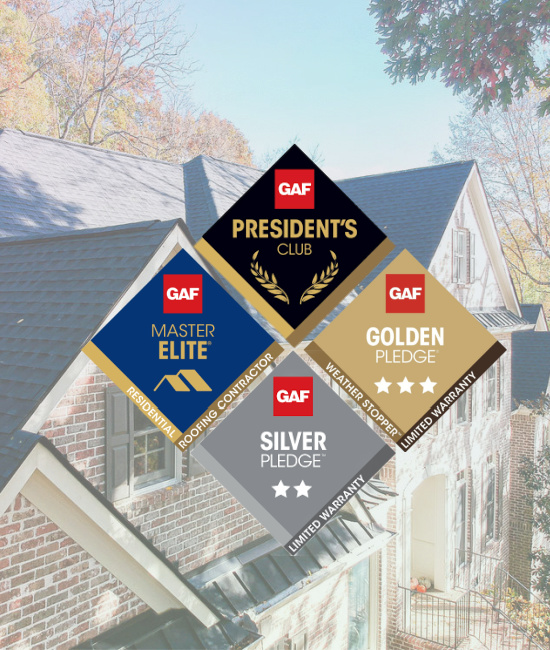
“Only certified contractors can offer enhanced warranties backed by GAF, including
extended coverage on workmanship and materials.”
A perfect-looking quote from a sketchy contractor is still a bad deal.
Licensing, insurance, and bonding
Ask each roofer to provide proof of:
Contractor’s license (where required)
General liability insurance
Workers’ compensation insurance
This protects you if something goes wrong or someone gets injured on your property.
Experience, specialization, and training
Some roofers specialize in certain:
Materials (metal, tile, slate, flat roofs)
Systems (commercial membranes, steep-slope, etc.)
The more your job matches their specialty, the better.
Reviews, references, and local reputation
Check:
Online reviews and ratings
How they respond to complaints
References from recent jobs
How long they’ve been in your area
- Are they members of the BBB
A roofer who’s been around for years is more likely to honor future warranties because they care about their reputation!

Step 6 - Compare Project Timelines and Time Management
Two quotes may look the same on paper, but the experience can be totally different.
Start date and completion date
Ask:
When can they start?
How many days will the project take?
Will they work consecutive days or “when they can”?
Crew size and supervision
A well-managed crew with a working supervisor is a big plus. Ask who:
Will be on-site in charge
You’ll communicate with (project manager, owner, foreman)
Handling of unexpected issues
Things come up—hidden rot, extra layers, weather delays. Find out:
How they communicate changes
How change orders are handled and priced
Not Sure If You Really Need Three Roofing Estimates?
Many homeowners wonder if insurance claims require three bids. The truth might surprise you.
Learn when multiple estimates matter — and when they don’t:
➜ Do I Need Three Estimates for Insurance Storm Damage Claims?
Step 7 - Look Beyond the Bottom Line Price
Now that you’ve broken everything down, it’s time to think big-picture.
Value vs cost
Ask yourself:
Which quote gives me the best quality for the price?
Which contractor seems the most professional and trustworthy?
Who explained things clearly and answered questions honestly?
Long-term performance and energy efficiency
Some roofing systems:
Reflect more heat (lower cooling bills)
Last longer in your climate
Require less maintenance
A slightly higher upfront cost can save you thousands over the life of the roof.

Common Red Flags in Roofing Quotes
Pay attention to warning signs before you sign.
Vague or missing details
Red flags include:
“Includes all necessary materials” with no specifics
No mention of underlayment, flashing, or ventilation
One single lump sum with zero breakdown
No written contract or warranty
If they won’t put it in writing, don’t put them on your roof.
High-pressure tactics and “today-only” deals
Beware of:
“This price is only good if you sign today”
“We just did a job nearby and have extra materials, so it’s cheap”
Big discounts if you “skip permits”
Legit contractors don’t need to bully you into a decision.
Key Questions to Ask Before You Accept a Roofing Quote
A few smart questions can clear up a lot.
Questions about scope and materials
What brand and line of shingles or roofing will you use?
Are you replacing all flashing or reusing some of it?
How will you handle rotten or damaged decking?
Questions about payment and protection
What is the payment schedule? (Never pay 100% upfront.)
Are you fully licensed and insured, and can I see proof?
What exactly does your workmanship warranty cover?
Federal Trade Commission (FTC)
“Home improvement scams often start with door-to-door contractors offering low prices
or pressure to make immediate decisions. Always get multiple written estimates and
verify licensing.”
How To Use A Roofing Quote Comparison Worksheet
A simple worksheet makes things much easier to compare.
What columns and criteria to include
Create a table or spreadsheet with columns like:
Contractor name
Total price
Materials brand and type
Underlayment and ice & water
Tear-off and disposal included?
Flashing replacement or reuse?
Warranty (materials + workmanship)
Start and completion dates
Licenses/insurance verified
Reviews/ratings
Scoring and ranking your options
Give each contractor a score (1–5) in key areas:
Price
Quality of materials
Warranty strength
Reputation
Communication
Then choose the roofer with the best overall score, not just the lowest price.
| Comparison Criteria | Contractor 1 | Contractor 2 | Contractor 3 |
|---|---|---|---|
| Contractor Information | |||
| Company Name | |||
| Phone / Contact Person | |||
| GC License & Insurance Verified? | |||
| Certifications & Credentials | |||
| Project Scope & Materials | |||
| Roofing Material (Brand & Type) | |||
| Shingle Grade / Material Warranty | |||
| Underlayment Type | |||
| Ice & Water Shield Coverage | |||
| Flashing Replacement Included? | |||
| Ventilation Plan (Type & Quantity) | |||
| Pricing Breakdown | |||
| Total Cost | |||
| Tear-Off & Disposal Included? | |||
| Decking Repair Costs (Per Sheet or LF) | |||
| Permit Fees Included? | |||
| Warranties & Workmanship | |||
| Length of Company Warranty | |||
| Extended Manufacturer Warranty Available | |||
| Workmanship Warranty & Duration | |||
| Warranty Conditions / Exclusions | |||
| Timeline & Job Management | |||
| Estimated Start Date | |||
| Estimated Completion Time | |||
| On-Site Supervisor | |||
| Overall Evaluation | |||
| Pros | |||
| Cons | |||
| Your Rating (1–5) | |||
Special Considerations for Commercial vs Residential Roofing Quotes
If you’re comparing quotes for a commercial property, there are extra layers (sometimes literally).
Flat roofs, membranes, and building codes
Commercial roofs may use:
TPO, EPDM, or PVC membranes
Built-up roofing (BUR)
Modified bitumen
Compare:
Membrane thickness and brand
Insulation type and R-value
Code compliance and energy requirements
Maintenance contracts and long-term planning
Many commercial roofers offer:
Regular inspections
Preventive maintenance plans
Leak response services
Factor those into your long-term cost comparison.

Smart Tips for Negotiating Roofing Quotes
Yes, you can negotiate—but do it wisely.
Where you can negotiate (and where you shouldn’t)
You can often negotiate:
Small discounts for flexible scheduling
Upgrades (better underlayment, vents, or accessories)
Removing optional extras you don’t need
You generally shouldn’t push for:
Cheaper labor (you don’t want a rushed or unskilled crew)
Cutting corners on ventilation, flashing, or underlayment
Bundling services and upgrades
Ask if they can:
Include gutter replacement at a package price
Add attic insulation for a better deal
Offer financing or payment plans
Sometimes a roofer can’t lower the price much—but they can increase the value.
Final Checklist Before Choosing Your Roofer
Before you say yes, run through this quick checklist.
Confirm details in writing
Make sure your contract includes:
Exact materials and brands
Scope of work (tear-off, repairs, flashing, ventilation)
Total price and payment schedule
Warranties and what they cover
Start date and estimated completion date
Trusting both the numbers and your gut
Numbers are important—but so is your instinct. Ask yourself:
Did this contractor listen and answer questions clearly?
Do I feel comfortable having them on my property?
Do I trust them to come back if there’s a problem?
When the quote, the contractor, and your gut all line up—that’s usually your best choice.

Conclusion – How to Feel Confident About Your Roofing Decision
Comparing roofing quotes effectively isn’t just about lining up prices and picking the cheapest one. It’s about making sure each quote covers the same scope, uses quality materials, includes solid warranties, and comes from a reputable contractor you actually trust.
When you:
Standardize what you’re asking for
Break down each quote into clear parts
Compare materials, labor, warranties, and reputation
Watch out for red flags and ask smart questions
…you turn a stressful, confusing decision into a clear, confident one.
Your roof protects everything under it—family, belongings, business, memories. Take a little extra time to compare roofing quotes the right way, and you’ll sleep better every time it rains.
Frequently Asked Questions
FAQ 1 – How many roofing quotes should I get?
Most homeowners do well with three to four quotes. That’s enough to see a pattern in pricing and approach without overwhelming yourself. If one quote is way higher or lower than the others, dig into the details and find out why.
FAQ 2 – Is the lowest roofing quote ever the best choice?
Sometimes—but not always. The lowest quote might be fine if it includes:
The same quality materials as others
The same scope of work
Solid warranties and a reputable contractor
If it’s lower because of cheaper materials, missing details, or corner-cutting, it can cost you more in the long run.
FAQ 3 – What should be included in a professional roofing quote?
A solid roofing quote should clearly list:
Type and brand of roofing materials
Underlayment, ice & water shield, and flashing details
Tear-off and disposal of old materials
Labor costs and any decking repairs
Permits, fees, and taxes
Material and workmanship warranties
If anything is vague or missing, ask for it in writing.
FAQ 4 – How can I protect myself from roofing scams?
To protect yourself:
Only work with licensed and insured contractors
Avoid high-pressure “today-only” deals
Never pay 100% upfront
Verify reviews and local references
Get everything in writing—scope, price, and warranties
If something feels off, walk away. There are plenty of honest roofers out there.
FAQ 5 – What’s the best way to keep all quotes organized?
Use a simple comparison worksheet or spreadsheet. Create rows for each contractor and columns for:
Total price
Materials and brand
Warranties
Start date
Reviews and references
Notes on communication and professionalism
Seeing everything side by side makes the decision much easier and more logical.

Sherri Berry is the Operations Manager at MidSouth Construction, bringing 15 years of roofing industry experience and a background in legal compliance and real estate. She oversees the daily production of construction projects, ensuring every job reflects integrity and quality workmanship. Committed to helping homeowners understand their insurance claims and roofing options, Sherri combines technical expertise with clear, honest communication. Outside of work, she serves at One Church in Murfreesboro, TN, and is dedicated to providing trustworthy roofing and restoration services to her community.
Table of Contents
Relevant Articles
Roof Replacement Franklin TN / Customer Experience
Share at: ChatGPT Perplexity WhatsApp LinkedIn X Grok Google AI What Does a Five-Star Roof Replacement Experience Look Like in Franklin, TN? When homeowners search for a roofing contractor in Franklin, TN, they are usually looking for more than someone who can simply install shingles. They want a roofing company they can trust with their home, their property, and a
MidSouth Construction Earns Prestigious TAMKO® Pro Diamond Certified Contractor Status
Share at: ChatGPT Perplexity WhatsApp LinkedIn X Grok Google AI MidSouth Construction is now a TAMKO Pro Diamond Contractor This designation is reserved for the top 5% of TAMKO Pro Certified Contractors Homeowners gain access to enhanced warranty options on qualifying roofing systems. Expect trusted craftsmanship backed by ongoing manufacturer training At MidSouth Construction, we’re always working to do more

Who Are The Top 8 Roofing Companies in Nashville 2025 Update
Share at: ChatGPT Perplexity WhatsApp LinkedIn X Grok Google AI Who Are the Best 8 Roofing Contractors in Nashville 2026 Update Selecting the right roofing company is essential when you need a roof that demands quality, durability, and expert craftsmanship. At MidSouth Construction, we are committed to earning your business. Our family-owned local roofing company provides exceptional service with workmanship