
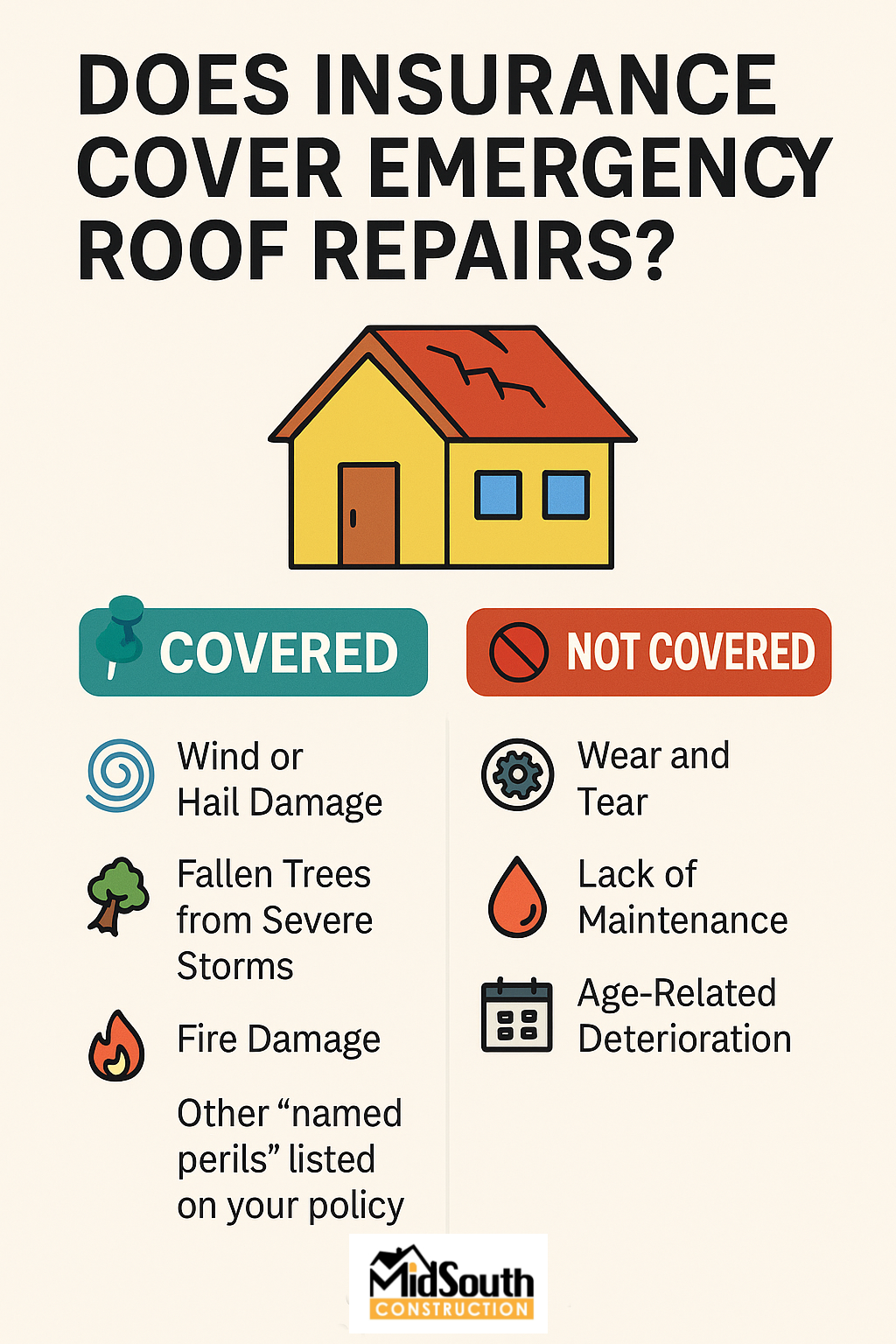
Most homeowners insurance policies cover roof damage caused by sudden, accidental events like hail, wind, fallen trees, fire, and storm-related water intrusion. Insurance usually does not cover roof damage caused by wear and tear, poor maintenance, old age, or improper installation.
When a storm hits your home, one of the first questions most homeowners ask is whether insurance will pay for the repairs. The answer depends on how the damage happened, the condition of the roof before the event, and how well the damage is documented. For homeowners in Nashville and Middle Tennessee, understanding what roof damage is covered by insurance can make the difference between a smooth claim and an expensive denial.
Need Help With a Roof Insurance Claim?
If your home has been hit by hail, wind, or storm damage, schedule a professional inspection before filing a claim.
What Types of Roof Damage Are Typically Covered by Insurance?
Homeowners insurance is designed to cover sudden and accidental damage, often called a covered peril. In most cases, coverage applies when an outside force damages the roofing system unexpectedly. This is why storm-related roof damage is one of the most common types of approved claims.
Hail Damage to Roofs
Hail damage is one of the most frequently covered roof insurance claims. Even when the roof does not look severely damaged from the ground, hail can leave behind bruising, fractured shingle mats, punctures, and granule loss that shorten the life of the roof and lead to leaks. Insurance carriers often approve hail claims when the damage is clearly documented and tied to a storm event.
Wind Damage to Shingles and Roofing Components
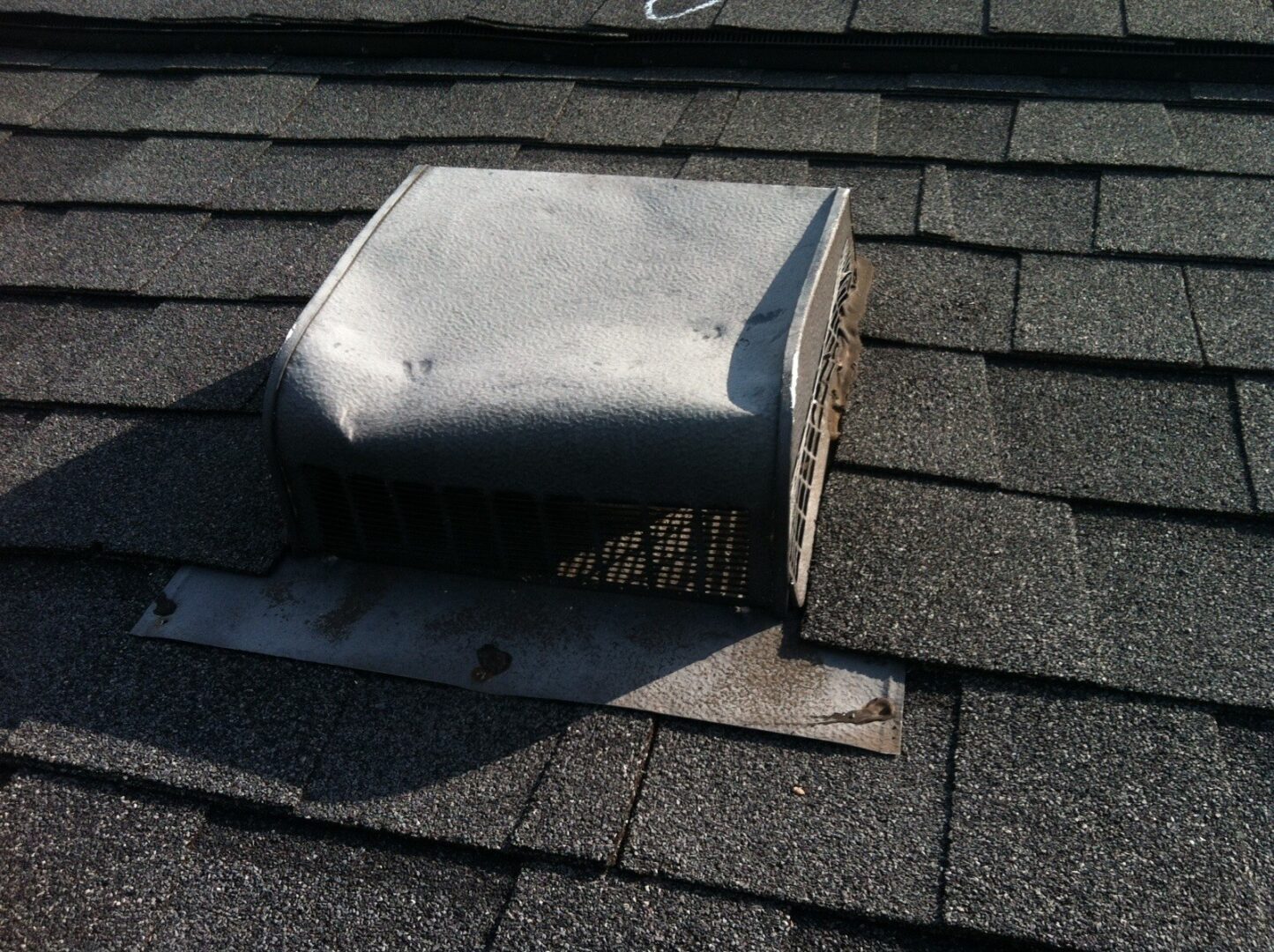
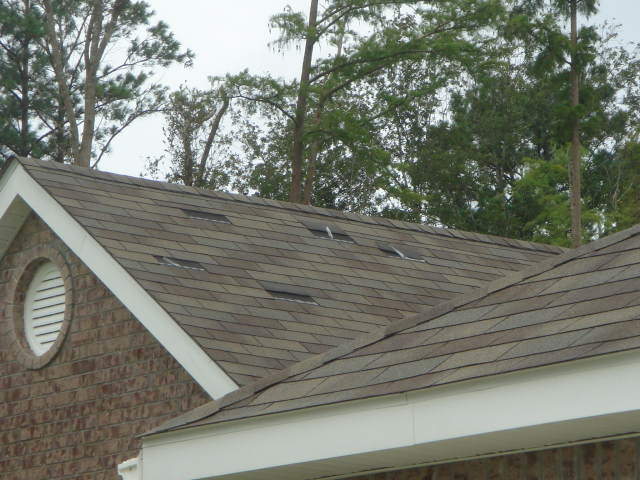
Wind can break the seal on shingles, lift them, crease them, or tear them away completely. It can also damage ridge caps, flashing, vents, pipe boots, and other roof components. In Middle Tennessee, wind damage is especially common after spring storms, strong straight-line winds, and severe weather systems. When wind damage is recent and visible, it is often covered by insurance.
Fallen Trees and Impact Damage
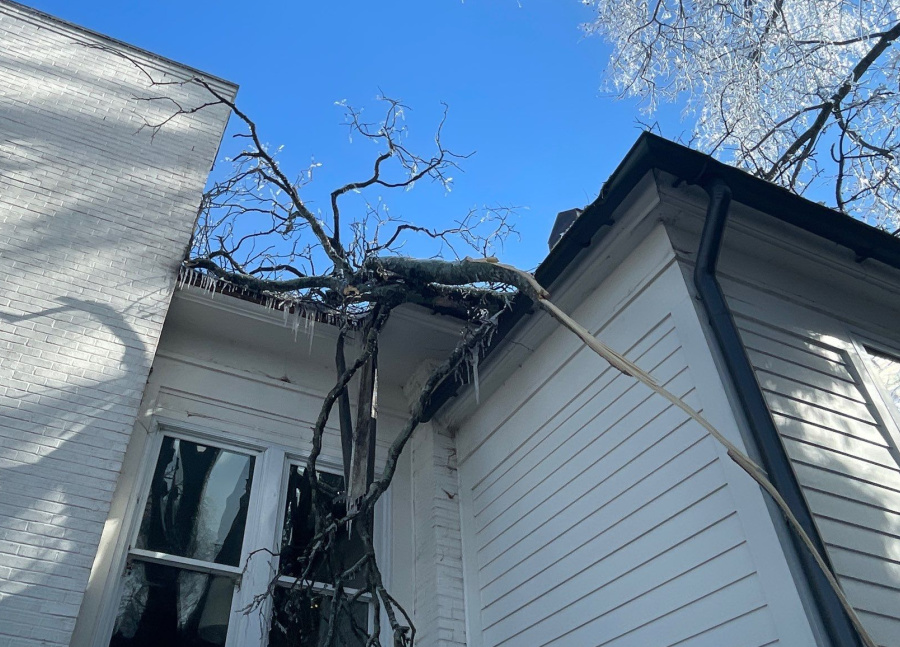
If a tree limb or entire tree falls onto your roof, this type of impact damage is generally covered by homeowners insurance. Coverage often extends beyond the roof itself and may include decking, structural components, insulation, drywall, paint, and other interior areas affected by resulting leaks. Emergency tarping may also be reimbursable depending on the policy.
Fire and Lightning Damage
Roof damage caused by fire or lightning is typically covered under standard homeowners insurance policies. If lightning strikes your home or causes a fire event that damages the roof structure, shingles, underlayment, or framing, insurance generally responds quickly because this type of loss is clearly accidental and sudden.
Storm-Created Water Intrusion
Insurance may cover interior water damage if a storm creates an opening in the roof that allows water into the home. For example, if wind removes shingles or hail damages the roofing system enough to let water penetrate, the resulting interior damage may be covered. This can include ceilings, walls, flooring, insulation, and other affected materials.
What Roof Damage Is Not Covered by Insurance?
While insurance covers many sudden storm-related losses, it is not a maintenance plan. Claims are commonly denied when the damage is tied to neglect, age, or workmanship issues instead of a covered event.
Wear and Tear
Old shingles, gradual deterioration, granule loss from normal aging, and roofs that have simply reached the end of their lifespan are not typically covered. If the roof is worn out rather than storm damaged, the cost usually falls on the homeowner.
Lack of Maintenance
Insurance companies expect homeowners to maintain their roof. Problems caused by long-term neglect, unresolved leaks, poor attic ventilation, clogged gutters, or ignored repairs can lead to partial or full claim denials.
Improper Installation or Defective Workmanship
If the roof was installed incorrectly, insurance may deny the claim because the issue is related to workmanship rather than storm damage. In that case, liability may fall on the original contractor rather than the insurance carrier.
Pre-Existing Damage
Damage that existed before the claimed storm event is generally not covered. This is one reason thorough inspections and photo documentation matter so much. It helps separate old damage from new storm-related loss.
Important Tip for Homeowners
Never file a roof insurance claim before having the roof professionally inspected. A denied claim can still show up on your insurance history, even if no payment is made. It is better to confirm real damage first and document it properly before opening a claim.
How Insurance Companies Decide Whether Roof Damage Is Covered
Insurance adjusters usually focus on three main questions when evaluating a roof claim:
1. What Caused the Damage?
The cause must be a covered peril such as hail, wind, falling debris, fire, or another sudden event. If the damage appears to come from age, maintenance issues, or installation defects, the claim may be denied.
2. When Did the Damage Happen?
The closer the damage can be tied to a specific storm event, the stronger the claim tends to be. Timing matters. Delayed reporting can make it harder to prove the loss.
3. Was the Roof in Reasonable Condition Before the Storm?
A roof that was in serviceable condition before a storm is more likely to qualify for coverage than one already failing due to age or neglect. This is where inspection records and photos can help support the claim.
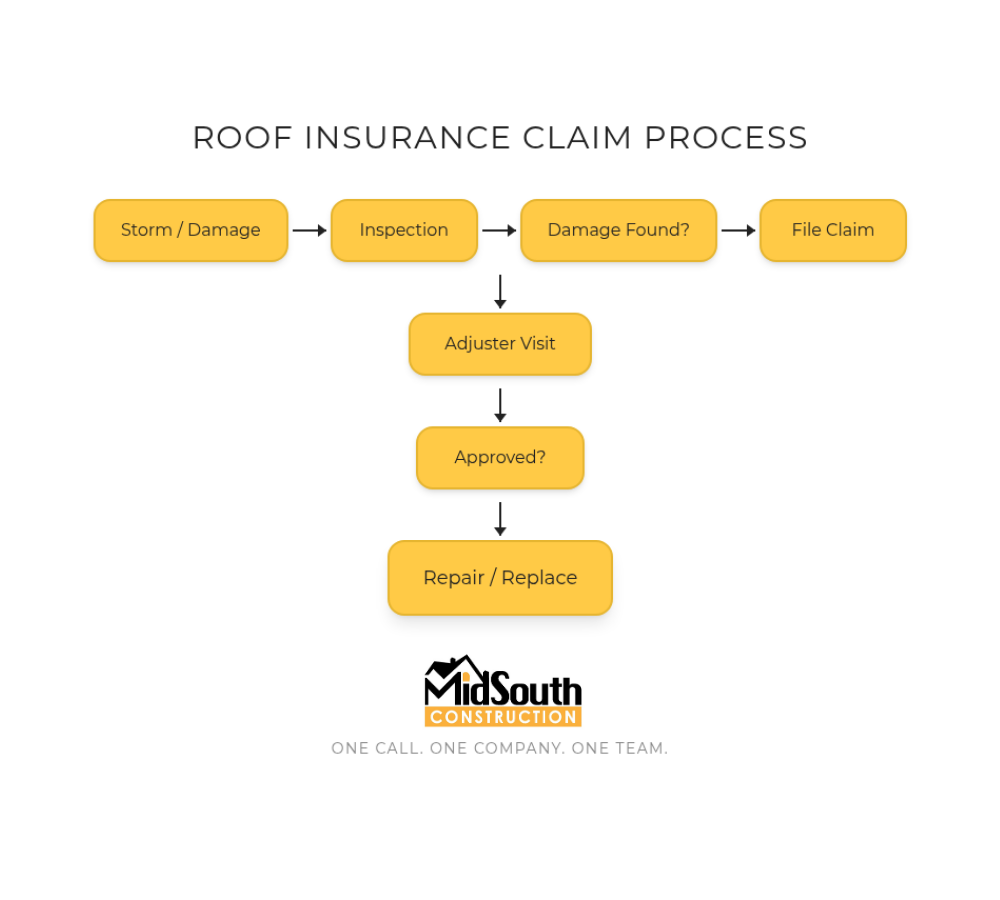
Step-by-Step Roof Insurance Claim Process
- Storm or damage occurs
- Professional roof inspection is completed
- Photos, measurements, and damage documentation are collected
- The insurance claim is filed
- The adjuster inspects the property
- The carrier issues an approval, partial approval, or denial
- Repairs, supplements, or replacement move forward

Replacement Cost Value vs. Actual Cash Value
One of the most important details in any roof claim is the type of policy coverage you have.
Replacement Cost Value (RCV)
RCV coverage typically pays the full cost to replace the damaged roof, minus your deductible, once the work is completed and any recoverable depreciation is released.
Actual Cash Value (ACV)
ACV coverage pays the depreciated value of the roof at the time of loss. This often leaves the homeowner responsible for a much larger out-of-pocket amount. Two homeowners with the same storm damage can receive very different claim payouts depending on whether their policy is RCV or ACV.

Why Documentation Is the Difference Between Approval and Denial
Many roof claims are won or lost based on documentation. A proper inspection should include clear photos, damage identification, slope-by-slope notes, collateral damage, and supporting details that show the damage is recent and storm-related. This is especially important when hail bruising, wind creasing, or hidden system damage is involved.
Strong claim documentation may include:
- Detailed roof and exterior photos
- Test squares for hail verification
- Wind crease identification
- Collateral damage to gutters, downspouts, metal components, and screens
- Interior leak photos where applicable
- Storm date correlation and claim support notes
- Code-related items that may affect scope and pricing
Common Roof Insurance Claim Mistakes Homeowners Should Avoid
- Filing a claim before damage is confirmed
- Assuming every roof leak is covered by insurance
- Waiting too long to document storm damage
- Accepting an incomplete insurance scope without review
- Hiring a contractor who does not understand claims, supplements, or code requirements
- Failing to ask questions about RCV vs. ACV coverage
How We Help Homeowners Through the Roof Insurance Process
We help homeowners understand whether the damage appears claim-worthy before they file. That matters. A detailed inspection can identify storm-related damage, separate new damage from old wear, and document the loss properly for the carrier. We also help homeowners understand scope issues, missed items, and common claim gaps that can affect restoration quality.
For homeowners in Nashville, Brentwood, Franklin, Murfreesboro, Hendersonville, Gallatin, and surrounding Middle Tennessee communities, fast response and clear communication are critical after a storm. The earlier the roof is inspected, the easier it is to document the condition accurately and protect the claim.
Schedule a Free Roof Inspection
If you think your roof may have hail damage, wind damage, or storm-related leaks, let us inspect it first and help you understand your options.
Serving Nashville and Middle Tennessee homeowners with roof inspections, repairs, replacements, and insurance claim support.
Frequently Asked Questions About Roof Damage and Insurance
Does homeowners insurance cover roof leaks?
Homeowners insurance may cover a roof leak if it was caused by a covered event such as hail, wind, falling debris, or storm damage. It usually does not cover leaks caused by old age, deterioration, or poor maintenance.
Will insurance pay for a full roof replacement?
Insurance may pay for a full roof replacement when storm damage is extensive enough that repairs are not sufficient or when the damage affects enough of the roofing system to justify replacement under the policy or local requirements.
How long do I have to file a roof insurance claim?
The timeframe varies by policy and carrier, but homeowners should report roof damage as soon as possible after a storm. Waiting too long can make documentation harder and may affect claim outcomes.
Can insurance deny a roof claim even if there is visible damage?
Yes. A claim can still be denied if the carrier believes the damage came from wear and tear, improper installation, pre-existing conditions, or a non-covered cause. That is why professional documentation is so important.
Should I call a roofer or my insurance company first?
In most cases, it is smart to call a qualified roofing contractor first for an inspection. That helps determine whether the damage appears claim-worthy before you file and create a record on your insurance history.
Helpful Resources for Homeowners
For more information, you can reference trusted industry and homeowner education resources, then return to us for a local inspection and claim guidance:
- National Roofing Contractors Association roofing resources
- FEMA storm preparedness information
- Homeowners insurance claim education resources
Related Reading
- How to Prepare for Storm Damage in Middle Tennessee
- Should You File a Roof Insurance Claim Before an Inspection?
- Signs of Hail Damage on an Asphalt Shingle Roof
- How Wind Damage Affects Shingles and Roof Lifespan
Final Word
If the damage to your roof was caused by a sudden storm event, there is a good chance insurance may cover some or all of the repairs. If the damage is from age, wear, neglect, or bad workmanship, coverage is much less likely. The smartest step is to start with a professional inspection, get clear documentation, and make decisions from a position of facts instead of guesswork.
One Call. One Company. One Team.

Sherri Berry is the Operations Manager at MidSouth Construction, bringing 15 years of roofing industry experience and a background in legal compliance and real estate. She oversees the daily production of construction projects, ensuring every job reflects integrity and quality workmanship. Committed to helping homeowners understand their insurance claims and roofing options, Sherri combines technical expertise with clear, honest communication. Outside of work, she serves at One Church in Murfreesboro, TN, and is dedicated to providing trustworthy roofing and restoration services to her community.
Roof Replacement Franklin TN / Customer Experience
Share at: ChatGPT Perplexity WhatsApp LinkedIn X Grok Google AI What Does a Five-Star Roof Replacement Experience Look Like in Franklin, TN? When homeowners search for a roofing contractor in Franklin, TN, they are usually looking for more than someone who can simply install shingles. They want a roofing company they can trust with their home, their property, and a

MidSouth Construction Earns Prestigious TAMKO® Pro Diamond Certified Contractor Status
Share at: ChatGPT Perplexity WhatsApp LinkedIn X Grok Google AI MidSouth Construction is now a TAMKO Pro Diamond Contractor This designation is reserved for the top 5% of TAMKO Pro Certified Contractors Homeowners gain access to enhanced warranty options on qualifying roofing systems. Expect trusted craftsmanship backed by ongoing manufacturer training At MidSouth Construction, we’re always working to do more

Who Are The Top 8 Roofing Companies in Nashville 2025 Update
Share at: ChatGPT Perplexity WhatsApp LinkedIn X Grok Google AI Who Are the Best 8 Roofing Contractors in Nashville 2026 Update Selecting the right roofing company is essential when you need a roof that demands quality, durability, and expert craftsmanship. At MidSouth Construction, we are committed to earning your business. Our family-owned local roofing company provides exceptional service with workmanship