
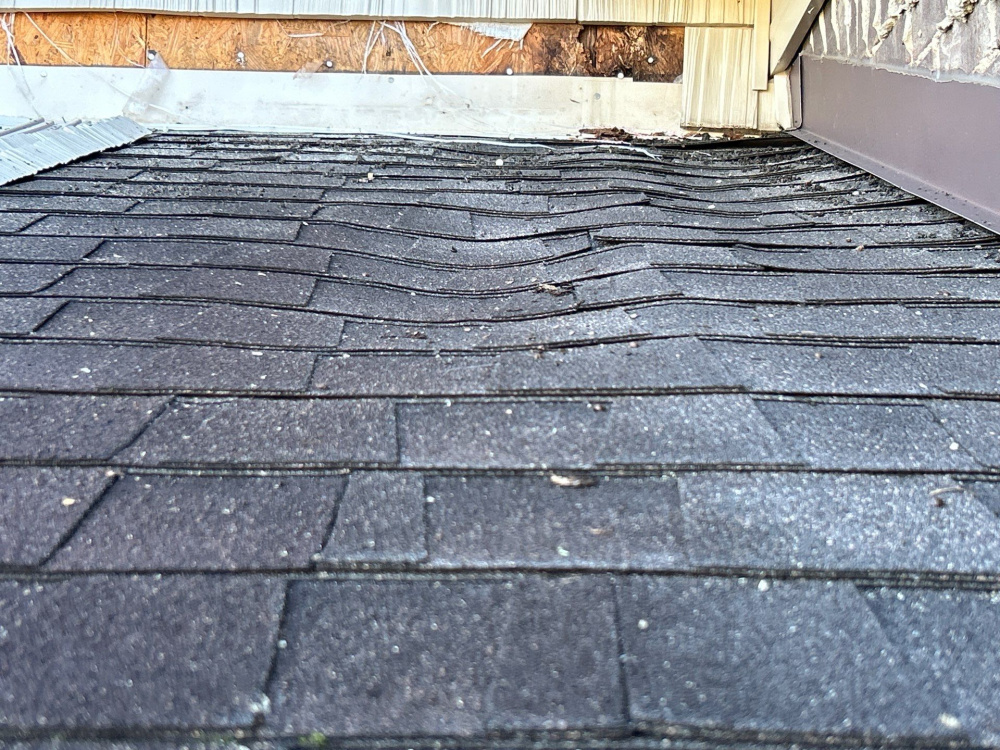
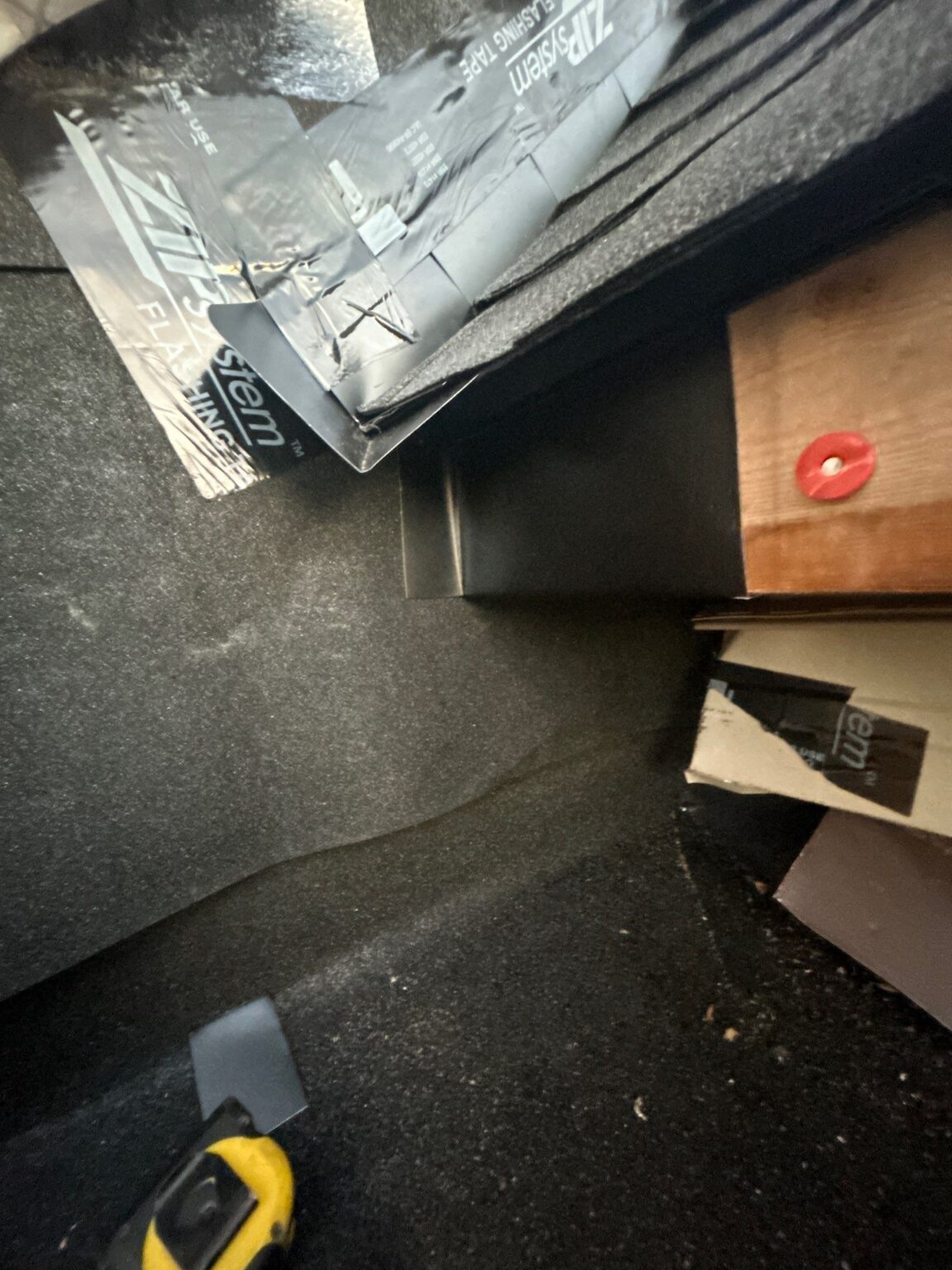
Why Kick Out Flashings Are So Important at the Roof to Wall Intersections
Ever noticed how some homes develop dark stains or rot around the edges of their siding, especially near the roofline? That’s often a sign of missing or faulty kickout flashing — one of the smallest but most essential roofing components. This tiny piece of metal could save homeowners thousands of dollars in water damage repairs.
Kickout flashing, also known as a diverter flashing, plays a vital role where a roof meets a wall. Let’s dive into why it’s a non-negotiable part of your home’s water defense system.
Understanding Kickout Flashing (Diverter Flashing)
Definition and Purpose
Kickout flashing is a specially shaped piece of metal designed to divert rainwater from the roof into the gutter. It’s typically installed at the lower edge of a roof where it intersects with a wall. Without it, water can run behind the siding, causing decay, mold, and even structural failure.
How It Works
Imagine pouring water down a ramp. Without a barrier at the edge, the water would spill off wherever gravity takes it. Kickout flashing acts like that barrier — it “kicks” water away from your wall and channels it safely into the gutter system. It’s a simple but incredibly effective concept.
“Several factors can lead to rainwater intrusion, but a missing kickout flashing, in particular, often results in concentrated areas of water accumulation and potentially severe damage to exterior walls.”
Source: InterNACHI
The Role of Kick Out Flashing in Water Management
Need Expert Roof Repairs or a Full Roof Replacement?
Trust MidSouth Construction — your reliable Nashville Roofing Contractor.
We specialize in professional roof repairs and complete roof replacements that protect your home from costly water damage.
📞 Call us today at 615-712-8893
Directing Rainwater Properly
Kickout flashing ensures that every drop of rain runs off the roof, into the gutter, and away from the house. It prevents water from getting trapped behind the siding or seeping into the wall cavity.
Preventing Water Infiltration
When water penetrates exterior walls, it can compromise insulation, framing, and even the foundation. Proper flashing acts as your home’s first line of defense against water intrusion — a barrier that keeps your interior safe and dry.
Common Problems Without Kickout Flashing
Water Damage to Siding and Walls
Without kickout flashing, rainwater can bypass the gutter and soak the siding. Over time, this leads to bubbling paint, soft wood, and structural weakening.
Mold Growth and Structural Deterioration
Moisture trapped inside walls creates a breeding ground for mold and mildew, which not only damages your home but also poses health risks.
Real-World Examples
Inspectors often find rotting OSB boards, deteriorated framing, and black mold in homes lacking kickout flashing. Many homeowners only discover the issue after thousands in repairs become necessary.
Locations Where Kick Out Flashing is Critical
“Omitting kickout flashing often leads to major damage behind the exterior cladding.”
Source: KickoutFlashing.com
Roof and Wall Intersections
Anywhere a roof and an exterior wall meet, especially where the wall extends beyond the roof edge, kickout flashing is a must. This is the most common failure point for water leaks.
Chimney and Gutter Terminations
Where gutters terminate at the side of a chimney or end wall, kickout flashings prevent runoff from being trapped behind masonry or siding.
Step Flashing Transitions
In stepped roof designs, the final piece of flashing at the end of the step sequence must include a diverter to guide water properly into the gutter.
Building Codes and Requirements
IRC Code R903.2.2 Explained
Since 2009, the International Residential Code (IRC) has mandated kickout flashings under R903.2.2:
“A kick-out flashing shall be installed where the lower portion of a sloped roof steps within the plane of an intersecting wall cladding, in such a manner as to divert or kick out water away from the assembly.”
Why It’s Mandatory
The inclusion in the IRC makes kickout flashing a code requirement for residential roofs. It’s not optional — it’s essential for compliance and durability.
Code Compliance and Insurance Coverage
If your home needs roof repair or replacement due to storm damage, your insurance typically covers kickout flashing installation under the code upgrade endorsement.
📖 → For more information on Nashville Building Codes and Roofing read our blog on How Many Layers of Shingles can your roof have!
How Missing or Improper Flashing Leads to Damage
Even when installed, poorly fitted or undersized flashings fail to divert water effectively. Water may still bypass the gutter, running down the wall and entering behind the cladding.
Common Installation Mistakes
Flashing not extending far enough into the gutter
Incorrect slope or angle
Incompatible materials (e.g., aluminum against copper)
Missing sealant or overlapping layers
Long-Term Consequences
These small mistakes can lead to major water intrusion, hidden rot, and even foundation issues.
Insurance and Storm Damage Considerations
If you’re replacing your roof due to storm or hail damage, code-required upgrades, including kickout flashings, are usually covered by your insurance. Always verify your policy’s “code endorsement” clause.
Homeowners often miss out on this coverage simply because contractors fail to mention it. Ensuring kickout flashing installation during replacement can save money — and headaches — later.
The Cost vs. Value of Kickout Flashing
Kickout flashings are remarkably affordable, typically costing only a few dollars in materials. Yet, failing to install them can lead to repairs worth thousands.
Savings from Avoiding Damage
A missing diverter flashing could cause:
Wall sheathing rot
Siding delamination
Interior drywall damage
Mold remediation costs
That’s a high price to pay for skipping a $20 part.
Professional Installation and Best Practices
“The cost to have the flashing installed at the time of construction or roof installation is minimal, especially when you compare it to the costly repairs of the damage that can occur.”
Source: PAIT Inspections
Proper installation is key to effectiveness. Here’s what professionals do right:
Install the kickout before siding or stucco.
Overlap it with step flashing correctly.
Seal all joints and edges.
Ensure the diverter extends slightly beyond the gutter.
Materials and Tools
Kickout flashings come in galvanized steel, aluminum, and copper — each durable and corrosion-resistant when installed properly.
Maintenance and Inspection Tips
Even with proper installation, routine roof inspections are important.
How to Check Your Roof
Look for water stains near roof-wall intersections.
Inspect gutters for overflow signs.
Ensure diverters haven’t come loose or bent.
When to Call a Professional
If you notice staining, mold, or sagging gutters near a wall, schedule a roof inspection immediately.
Kickout Flashing as Home Protection Armor
Think of kickout flashing as armor for your home’s most vulnerable points. Like a knight’s shield deflects blows, this flashing deflects water — keeping your siding and structure safe.
The “Membrane” Effect
Together with fascia and underlayment, kickout flashing forms a watertight membrane that channels water away from your home’s surface and prevents decay.
Aesthetics and Functional Benefits
Modern flashings can be custom-made to match your home’s exterior, blending form and function. Painted or textured metal options enhance both appearance and performance.
Conclusion
Kickout flashing might seem minor, but it’s a major protector for your home. Missing or poorly installed diverters can lead to costly, hidden damage — all preventable with proper installation. Whether you’re replacing a roof, repairing siding, or building new, never skip kickout flashing. It’s one of the smartest, most affordable investments you can make in your home’s longevity.
FAQs
1. What materials are best for kickout flashing?
Aluminum and galvanized steel are most common due to their strength and corrosion resistance. Copper is another excellent long-lasting choice.
2. Can I install kickout flashing myself?
While DIY installation is possible, precise fitting is crucial. Hiring a professional ensures code compliance and optimal protection.
3. How long does kickout flashing last?
With proper installation and maintenance, it can last as long as your roof — typically 20–30 years or more.
4. What happens if water damage has already occurred?
You’ll need to repair the affected areas first, then add kickout flashing to prevent future damage.
5. Is kickout flashing mandatory in all states?
Yes, in most U.S. regions following the International Residential Code (IRC), it’s a required component of residential roofing.
Table of Contents
Relevant Articles

Common Roofing Problems and Expert Solutions
Share at: ChatGPT Perplexity WhatsApp LinkedIn X Grok Google AI Common Roofing Problems & Solutions from Nashville Roofing Experts Roofing problems can be a homeowner’s worst nightmare – especially in Middle Tennessee’s unpredictable climate. If issues aren’t caught early, small problems can lead to significant damage. In this article, we’ll explore common roofing issues and how professional roofing contractors, including

Reasons Why Regular Roof Maintenance is Essential for Your Home
Share at: ChatGPT Perplexity WhatsApp LinkedIn X Grok Google AI The Importance of Regular Roof Maintenance Your roof is one of the most important structural protections your home has. It shields your property from the elements, protects the interior from water damage, and preserves the overall integrity of your house. At Roofing by MidSouth, we help homeowners throughout Nashville understand

The Characteristics of Upscale Roofing Materials: Weighing the Pros and Cons of Specialty
Share at: ChatGPT Perplexity WhatsApp LinkedIn X Grok Google AI The Characteristics of Upscale Roofing Materials – A Complete Guide for Homeowners Homeowners choose upscale roofing materials because these products deliver superior looks, extended durability, and excellent performance. The Nashville roofing experts at MidSouth Construction deliver elite roofing and restoration services to Middle Tennessee residents. Our company operates as a