
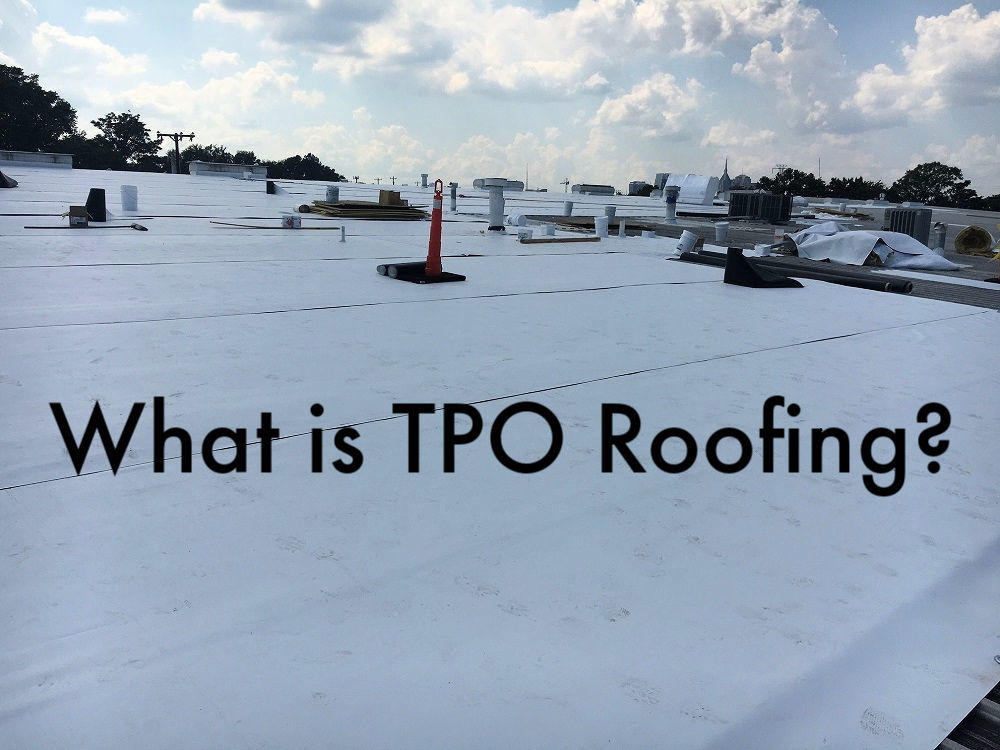
Typically, we think of white when referring to a TPO commercial roofing system. But TPO roofing today comes in a range of colors that will fit a wide variety of commercial building themes and needs.
Carlisle Syntec makes the Sure-Weld TPO roofing in various colors, including the traditional white, gray, and tan. But the Carlisle Sure-Weld TPO is also available in Rock Brown, Slate Gray, Terra Cotta, Patina Green, and Mansard Brown.
What does TPO stand for in the roofing industry? An affordable, durable flat roofing material in a wide range of color options!
How Much Does TPO Roofing Cost?
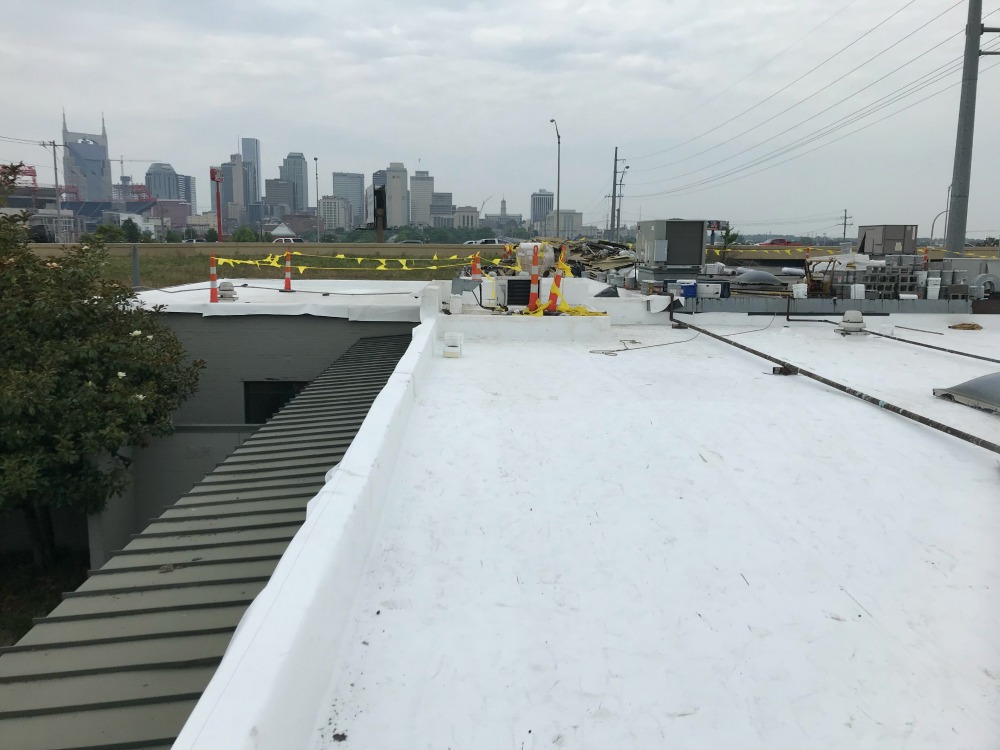
When considering the cost of TPO roofing and what TPO stands for in roofing, several factors come into play. A general guideline for budgeting is to anticipate a range of $12.00 to $17.00 per square foot. It’s worth noting that the cost can vary depending on several factors. One of these factors is the roof size that requires TPO roofing.
Surprisingly, smaller projects tend to have a higher cost per square foot, while larger commercial projects benefit from a lower cost per square foot. Another aspect to consider is the type of insulation used beneath the TPO membrane.
The cost may increase if thicker insulation is required to ensure optimal coverage across the entire structure. In contrast, using fabric insulation and gluing the membrane to it may result in a lower cost. Therefore, when estimating the cost of TPO roofing, it’s important to consider the project size, required insulation, and the structure’s specific needs to develop a more accurate budget.
Many property owners also use tools such as a TPO roofing energy savings calculator to estimate how reflective roofing systems can reduce long-term energy costs.
TPO vs EPDM vs PVC Roofing Comparison
Feature | TPO Roofing | EPDM Roofing | PVC Roofing |
Material Type | Thermoplastic single-ply membrane | Synthetic rubber membrane | Thermoplastic single-ply membrane |
Average Cost | $12 – $17 per sq. ft. | $8 – $14 per sq. ft. | $13 – $18 per sq. ft. |
Typical Lifespan | 20 – 30 years | 20 – 25 years | 25 – 30 years |
Energy Efficiency | Highly reflective surface that reduces cooling costs | Lower reflectivity unless coated | Highly reflective and energy efficient |
Installation Method | Heat-welded seams for strong waterproof sealing | Seams sealed with adhesive or tape | Heat-welded seams similar to TPO |
Maintenance Needs | Low maintenance with periodic inspections | Moderate maintenance | Low maintenance |
Best For | Energy-Efficient Commercial Flat Roofs | Budget-friendly flat roofing | Buildings needing chemical resistance |
Commercial building owners often compare these systems using tools like a TPO vs. traditional commercial roofing cost comparison to determine the best long-term investment.
How Long Does TPO Roofing Last?
What does TPO stand for in roofing, and why is it so important? TPO roofing, also known as Thermoplastic Olefin roofing, is a roofing membrane that offers durability and longevity. If properly installed, TPO roofing can last for approximately 25 years. However, this lifespan can vary based on several factors.
One crucial factor that affects the lifespan of TPO roofing is the weather conditions in your area. Extreme temperatures, strong winds, heavy rain, and prolonged exposure to harsh elements can shorten the life of the roofing membrane. Areas with frequent temperature fluctuations or high UV radiation may also impact the overall durability of the TPO roof.
The amount of direct sunlight the TPO roofing receives also affects its longevity. Continuous exposure to intense sunlight can accelerate wear and tear, reducing lifespan. Similarly, the quality of installation is crucial for maximizing the potential lifespan of TPO roofing. Improper installation techniques can compromise the integrity of the roofing membrane, reducing its durability and lifespan.
Although the standard estimate for TPO roofing longevity is 25 years, it’s important to note that this is not a guarantee. To ensure that your TPO roofing reaches its maximum life expectancy, it is essential to have it professionally installed and regularly maintained. Adequate maintenance, including regular inspections and repairs as needed, can extend the lifespan of TPO roofing and maximize durability; therefore, commercial property owners must understand what TPO stands for in roofing in order to increase its lifespan.
Why Do You Need TPO Roofing & what does TPO stand for in the roofing industry?
TPO roofing is required for roofs with low slopes or flat surfaces. Unlike roofs with a steeper pitch, low-slope roofs do not shed water as quickly, making them more susceptible to damage from standing water. Traditional asphalt shingles are not suitable for these types of roofs because they are not designed to withstand prolonged water exposure.
In fact, building codes and shingle manufacturers’ installation instructions explicitly state that asphalt shingles should not be used on roofs with a pitch of less than 2:12. This requirement helps ensure roofs are properly waterproofed and protected against leaks and water damage.
To meet these requirements, a TPO roofing membrane is recommended for low-slope or flat roofs. TPO (thermoplastic polyolefin) is a durable, waterproof material that effectively prevents water penetration and protects the underlying structure from moisture-related issues.
It is crucial to engage a reputable roofing contractor who understands these specifications. If a roofing contractor suggests installing shingles on a low-slope roof, it is advisable not to proceed with their services. The installation of TPO roofing, or another flat roof system, is essential to ensure the long-term integrity and performance of your low-slope or flat roof.
Technical Benefits of TPO Roofing
- Depending on building requirements, a typical membrane thickness ranges from 45 mil to 80 mil
- Heat-welded seams provide extra protection against leaks
- TPO roof cover provides high puncture resistance and protects the membrane from mechanical damage
- Most commercial TPO systems generally provide manufacturer warranties that range between 15 and 30 years
These features also influence long-term TPO roof maintenance requirements, which generally include routine inspections, debris removal, and seam checks.
TPO Installation Process
Commercial roofing contractors usually follow these steps when installing a TPO roof:
- Roof inspection and preparation
- Installation of insulation boards
- Placement of TPO membrane sheets
- Heat-welding seams for waterproof sealing
- Edge detailing and flashing installation
- Final inspection and quality assurance
What are the BEST Roofing Materials for a Flat Roof?
When selecting roofing materials for a flat roof, it is imperative to consider factors critical to long-term performance. The unique requirements of flat roofs, such as effective water-pooling resistance and long-term protection against the elements, require careful consideration. To guide you in making an informed decision, read about one of our flat roofing projects.
This comprehensive blog on flat roofs also explores the benefits and durability of TPO flat roofs and the importance of what TPO stands for in roofing. The insights shared will empower you to make well-informed purchasing decisions, considering both the quality and affordability of the available flat roofing materials.
As Nashville’s top-rated Commercial Roofers, MidSouth Construction extends a helping hand by offering complimentary commercial roof inspections and consultations. Our goal is to help you identify the optimal solution for your specific commercial flat-roofing needs. Remember, the best material for your flat roof is the one that aligns seamlessly with your unique requirements and budget considerations.
EXPERT TPO COMMERCIAL ROOFERS!
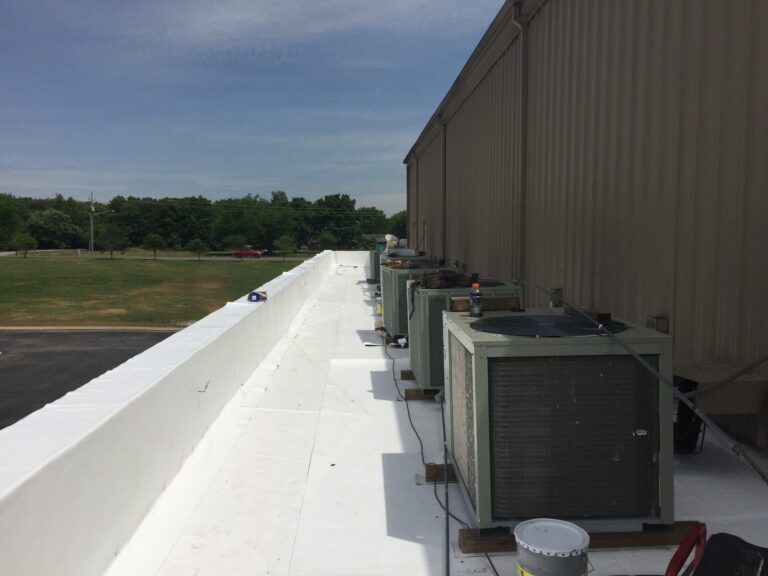
MidSouth Construction, Nashville Commercial Roofers, can install or repair commercial roofs of any size. If you would like an estimate to repair your existing TPO roof or replace your outdated flat roof with a new TPO roof, please give us a call! Our knowledgeable staff is always happy to provide you with a free estimate and our best advice on the solution that best fits your specific commercial roof needs!
Request a free consultation for your TPO roofing project today!
Commercial Roofing Case Studies
Explore these real commercial roofing projects completed by MidSouth Construction to see how TPO systems perform across Nashville businesses and in real-world conditions.
Customer Review: Commercial Roofing Project
MidSouth Construction replaced a leaking flat roof for a Nashville commercial property, delivering fast installation, excellent communication, and highly satisfied customer feedback.
https://roofingbymidsouth.com/customer-review-commercial-roofing/
Installing TPO Flat Roofing Over an Existing BUR/EPDM Roof
MidSouth Construction installed a 60-mil Carlisle TPO roofing system over an aging BUR roof, improving durability, insulation performance, and long-term protection.
https://roofingbymidsouth.com/tpo-flat-roofing-over-burepdm-roof/
Commercial Roofing for a New Construction Hotel Project
A Nashville hotel construction project required a fully adhered TPO roofing system with engineered drainage and tapered insulation for long-term performance.
https://roofingbymidsouth.com/commercial-roofing-new-construction-hotel-roof-project/
Retrofit TPO Roofing System Solves a Leaking Metal Roof
A leaking metal commercial roof was successfully retrofitted with a mechanically fastened TPO system, eliminating leaks and extending the building’s lifespan.
https://roofingbymidsouth.com/retrofit-tpo-roof-system-solves-leaking-metal-roof/
What does TPO stand for in roofing?
Commercial Roofing Contractor certified with Carlisle Roofing Systems and Versico Roofing Systems. Commercial Roofing | Quite simply, one of the absolute BEST commercial roofing solutions on the market today! MidSouth Construction is certified with all major TPO commercial roofing system manufacturers, including Carlisle Syntec, Sika Saranfil, GAF, Versico, GenFlex, and MuleHide! We would love the opportunity to earn your business! |
Frequently Asked Questions About TPO Roofing
What does TPO stand for in roofing?
TPO stands for Thermoplastic Polyolefin, a single-ply membrane used on flat and low-slope commercial roofs. It’s known for its durability, energy efficiency, and cost-effectiveness.
How long does TPO roofing last?
A properly installed and maintained TPO roof can last between 20 and 30 years. Climate, UV exposure, and maintenance frequency can influence lifespan.
Is TPO roofing good for flat roofs?
Yes, TPO is ideal for flat and low-slope roofing systems. It offers excellent resistance to ponding water, UV rays, and various environmental stresses.
How much does TPO roofing cost in 2026?
The average cost of TPO roofing in 2026 ranges from $12.00 to $17.00 per square foot. The total cost varies depending on roof size, insulation, and attachment method.
What colors does TPO roofing come in?
Besides white, TPO roofing is available in colors like gray, tan, slate gray, terra cotta, patina green, rock brown, and mansard brown
What are the pros of TPO roofing?
TPO roofing offers:
- Low installation costs
- UV and chemical resistance
- Energy efficiency
- Flexible insulation compatibility
- Recyclable and eco-friendly
- Fewer seams = fewer leak risks
Are there any downsides to TPO roofing?
Yes. TPO material quality can vary by brand, and it requires dry conditions for installation. It’s not suitable for steep-slope roofs and must be professionally installed for best results
Is TPO roofing environmentally friendly?
Absolutely! TPO reflects heat to reduce cooling costs and is fully recyclable at the end of its lifespan, lowering its environmental impact.
What are the alternatives to TPO roofing?
Alternatives include:
- EPDM – Durable rubber roofing
- PVC – Excellent chemical resistance
- Modified Bitumen – Asphalt-based membrane
- BUR – Built-Up Roofing (tar & gravel)
Each has unique benefits depending on your needs.
Is TPO better than EPDM?
TPO offers stronger seam welding and higher reflectivity, while EPDM is often cheaper but less energy efficient.
Get a Free TPO Roofing Estimate Today
Whether you’re upgrading an old flat roof or planning a new commercial build, get expert guidance on TPO and other roofing solutions. MidSouth Construction is here to help by providing:
✅ Free commercial roof inspections
✅ Honest, detailed estimates
✅ Expert TPO roofing installation and repair services
📞 Call today to request a free estimate
💼 Speak with certified TPO roofing experts in your area

Sherri Berry is the Operations Manager at MidSouth Construction, bringing 15 years of roofing industry experience and a background in legal compliance and real estate. She oversees the daily production of construction projects, ensuring every job reflects integrity and quality workmanship. Committed to helping homeowners understand their insurance claims and roofing options, Sherri combines technical expertise with clear, honest communication. Outside of work, she serves at One Church in Murfreesboro, TN, and is dedicated to providing trustworthy roofing and restoration services to her community.
Roof Leaking After Rain
Share at: ChatGPT Perplexity WhatsApp LinkedIn X Grok Google AI My Roof Is Leaking After Rain—What Should I Do? If your roof is leaking after rain, act quickly. Place a bucket or container under active dripping water if you can do so safely, protect nearby belongings, and call a reputable local roofing contractor as soon as possible. Do not climb
The Truth About “Lifetime Roofing Warranties”
Share at: ChatGPT Perplexity WhatsApp LinkedIn X Grok Google AI If there’s one thing I’ve learned after more than 15 years in the roofing industry, it’s this: The best warranty isn’t necessarily the one with the biggest number on the brochure. One of the most common phone calls we receive at MidSouth Construction starts with, “I have a lifetime warranty,
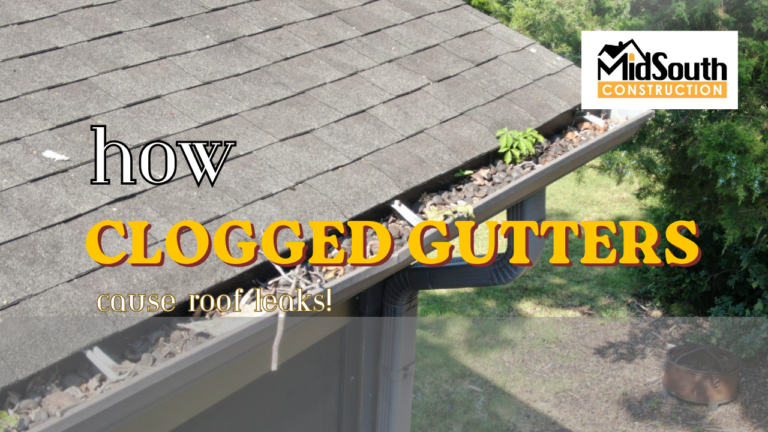
Can Clogged Gutters Cause Roof Leaks
Share at: ChatGPT Perplexity WhatsApp LinkedIn X Grok Google AI Can Clogged Gutters Cause Roof Leaks? Absolutely. Clogged gutters are one of the leading causes of preventable roof leaks because they allow water to back up beneath shingles, soak roof decking, and eventually enter your home. Fortunately, regular gutter cleaning and routine roof inspections can prevent most of these costly